april, 17th 2026
Thinking Outside the Box
Reading time : 5 min
I’m writing this from the quiet after the storm.
A few days ago, I was in Verona for Vinitaly, the most important wine fair in Italy, surrounded by thousands of producers, professionals, and wine lovers from all over the world. Today, I’m back home with a suitcase full of notes, conversations, and a slightly different perspective.
Because something shifted.
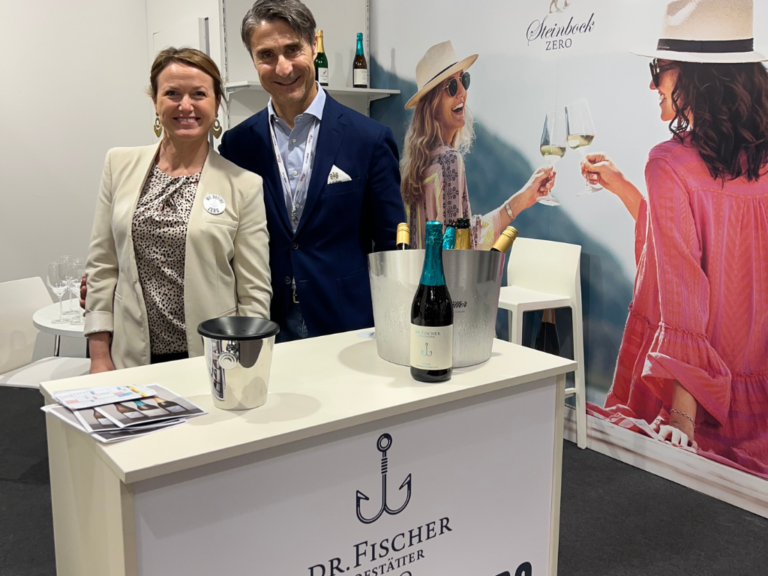
This year, I experienced Vinitaly from a completely different angle. I was there representing the dealcoholized line of Tenuta J. Hofstätter, a historic winery from Alto Adige that, thanks to the vision of Martin Foradori, started working on this category back in 2019, at a time when very few believed in it, releasing the first bottles in 2020.
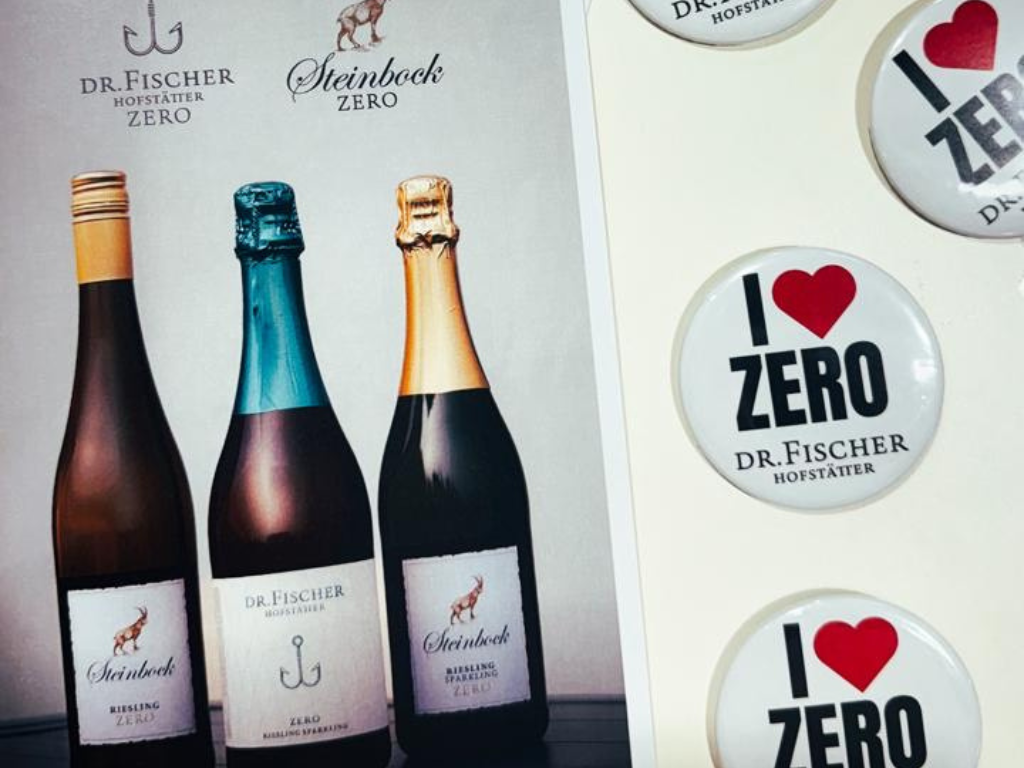
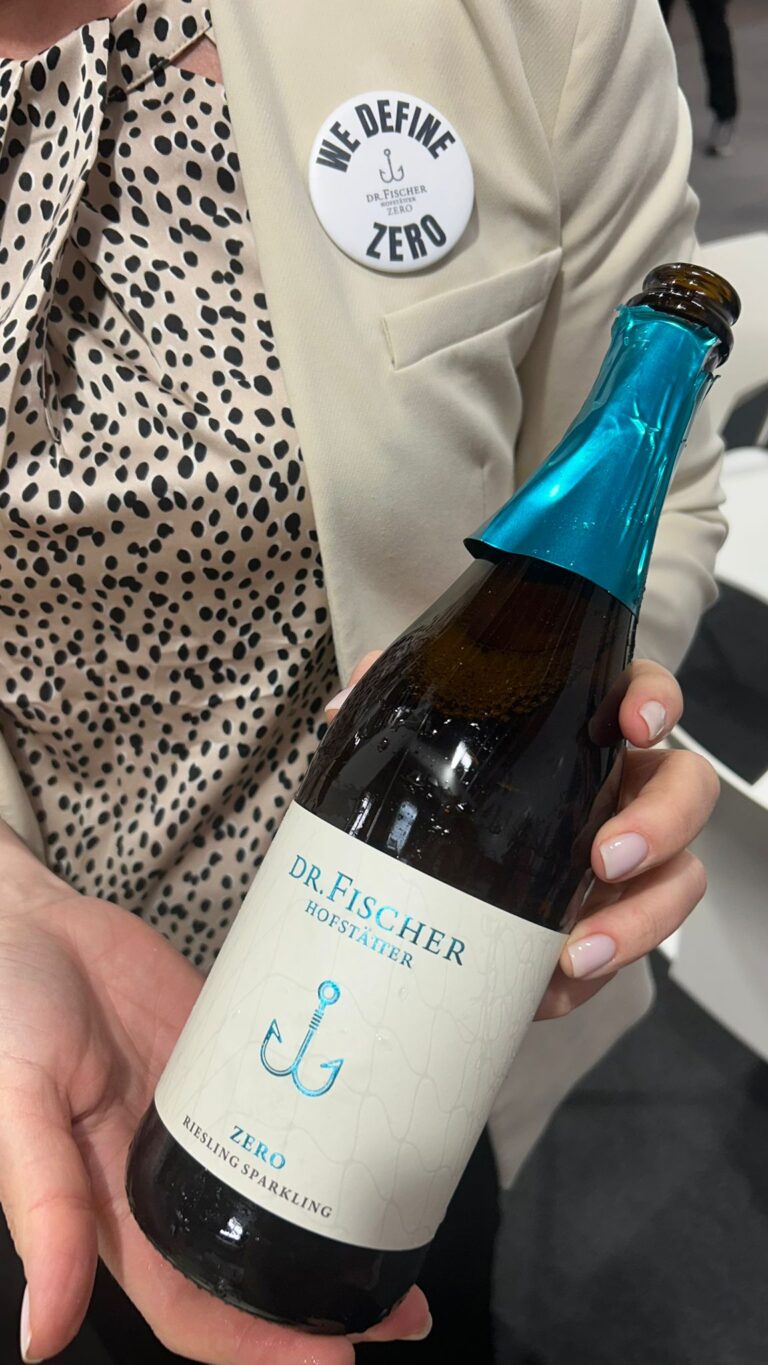
Their approach was simple, yet incredibly forward-thinking: looking beyond traditional wine regions and working with vineyards in Saar, Germany, an area known for producing fresh and aromatic Riesling wines capable of maintaining character even after dealcoholization. Wearing their small pin for four days, with the words “We define zero”, made me smile more than once. Because that’s exactly what they did, they defined something that, at the time, didn’t even have a real place in the market.
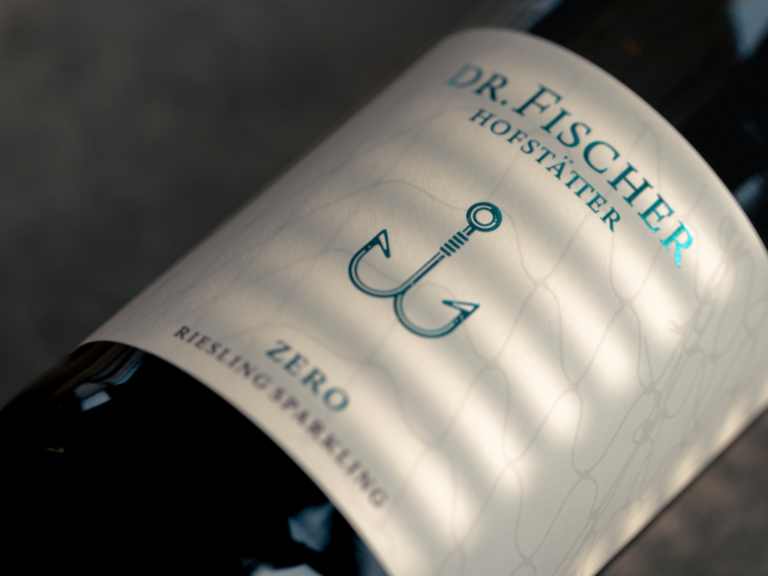
Today, the range includes a still wine and two sparkling styles, all Riesling based, designed to adapt to different moments of consumption and consumer needs, from a simple aperitif to a more structured pairing experience.
Over these past days at the booth, I met curious people, wine lovers, buyers, and restaurant professionals genuinely interested in offering a dealcoholized option to their guests. Not as a compromise, but as a conscious choice. What made me smile the most, though, is that I think I spoke with almost more producers than potential clients. Producers asking questions, tasting, quietly trying to understand if this could be part of their future.
And for the first time, I felt it clearly: the market is not just observing anymore. It’s listening.
And this is where my reflection begins.
I’ll be honest with you. As someone who deeply loves traditional wine, I’ve been skeptical in the past, maybe even a little resistant. But this experience pushed me to think outside of my usual framework, and what I realized is that dealcoholized wines are not trying to replace wine. They are creating space.
In a way, they are inclusive wines. They speak to all those people who, for many different reasons, don’t drink alcohol, and there are far more of them than we often imagine. People who still want to be part of a toast, who don’t want to feel outside a moment of sharing, or who are simply looking for a lighter, healthier option.
Too often, their only alternative has been something overly sweet, artificial, or disconnected from the culture of wine. Thing about the Italian ‘Crodino’! Here instead, we are talking about products that come from grapes only, with a clear identity, lower in calories, and much closer to a mindful way of drinking.
Of course, they need to be approached differently. You can’t taste them with the same expectations you would have for a traditional wine. But if you shift your perspective and start thinking in terms of pleasure and occasion, a whole new world opens up: an aperitif, a non-alcoholic cocktail, a pairing within a tasting menu to reduce the overall alcohol intake, or simply a glass shared with friends without compromise.
There is also another important point.
Not all dealcoholized wines are the same, and this is where I believe we need to be careful. For me, working with grape-based products means staying as close as possible to the integrity of the fruit, avoiding unnecessary additives, artificial aromas, or shortcuts that move away from what wine really is. During the fair, when someone asked me for added aromas, I smiled and gently said no, with some sort of pride!
Because if this category is going to grow, it needs to grow with credibility
I’m coming back from this experience with a sense of curiosity I didn’t have before. Grateful for having worked alongside a team that was passionate, supportive, and truly enjoyable to be around, but even more grateful for having witnessed what it means to be a pioneer.
To invest in something when others doubt it.
To be ready when the moment finally arrives.
There’s a lot to learn from that.
And maybe, sometimes, the real evolution in wine doesn’t happen by holding on tighter to what we already know… but by being open to what we don’t.