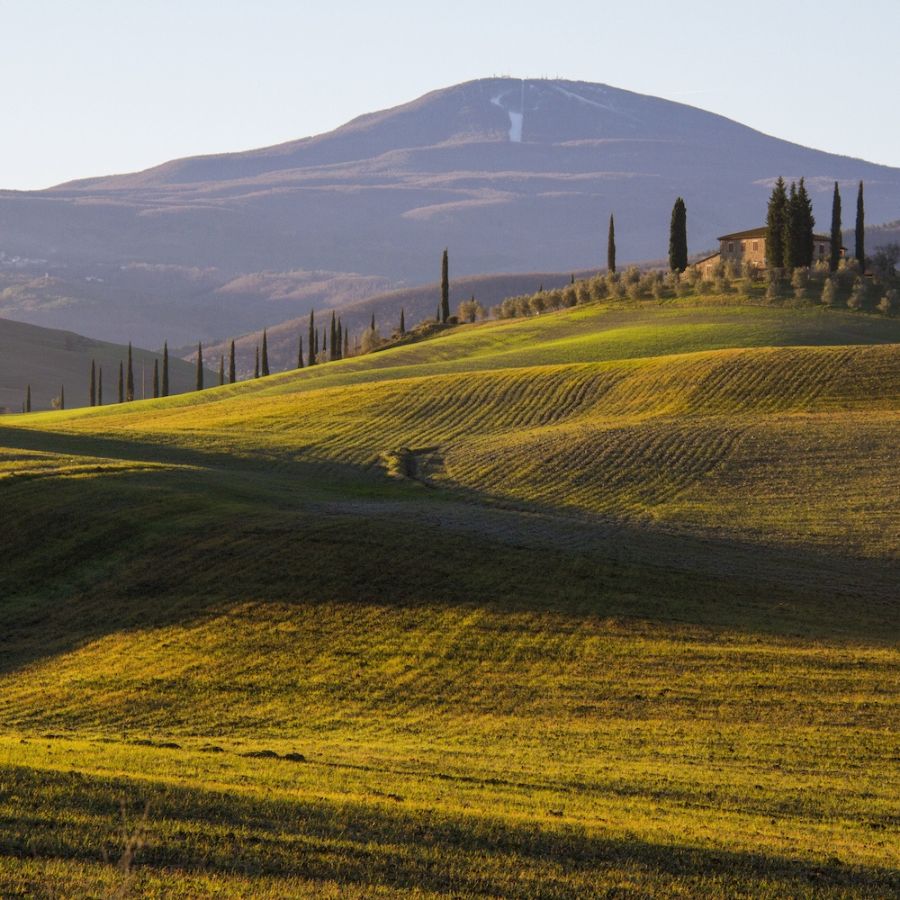
february, 26th 2026
The Invisible Side of What I Do
Behind every tasting photo, there is a story you don’t see.
Reading time : 5 min
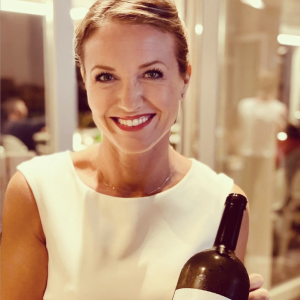
This week, I found myself scrolling through photos from the past months. Smiling faces at tastings. Long tables set for events. Vineyard walks under perfect Tuscan light. Moments at international fairs like Wine Paris, where the world of wine seems to gather in one single place. Pictures from my trips to the United States, where I pour Brunello and tell stories about small producers who live miles away from the people tasting their wines.
From the outside, it looks beautiful. And it is.
But there is another side that rarely makes it into the photos.
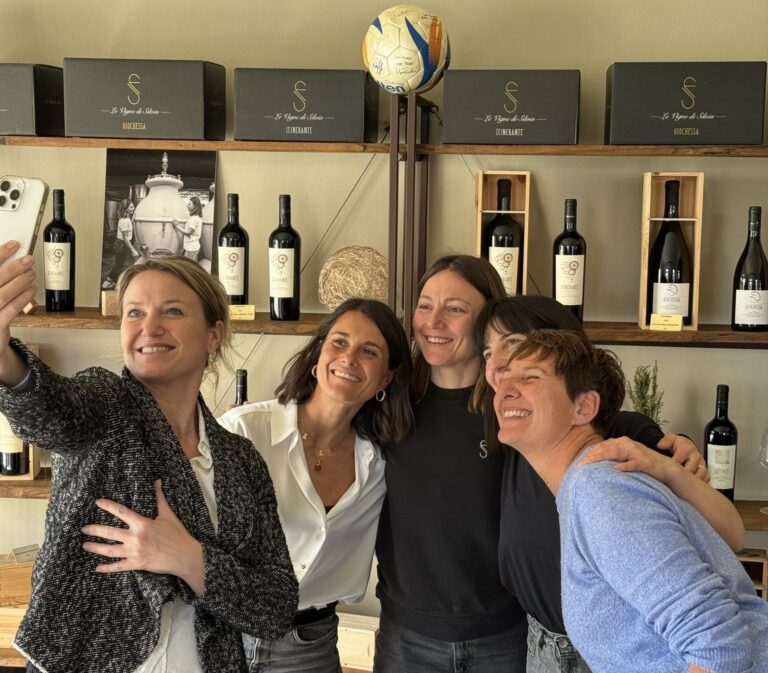
What you do not see are the bank transfers sent weeks in advance, before a single ticket is sold. The cases of wine paid for upfront because I believe in an event that has not happened yet. The quiet moment after clicking “confirm payment,” when responsibility feels heavier than excitement.
You do not see the nights spent adjusting price lists to make sure numbers work for everyone involved, trying to protect the producer, respect the market, and still keep the project sustainable. You do not see the spreadsheets open at night, after kids go to bed, or the mental math running while I should probably be sleeping.
You do not see the shipments stopped in customs, the emails that start with “Unfortunately…,” the calls made across time zones to find solutions when wine is stuck somewhere between Tuscany and the rest of the world.
And you definitely do not see the few minutes before an event begins, when I step aside, take a breath, and feel that small, sharp wave of fear. What if no one shows up? What if something goes wrong? What if I am not enough?
This is the invisible side of building something on your own.
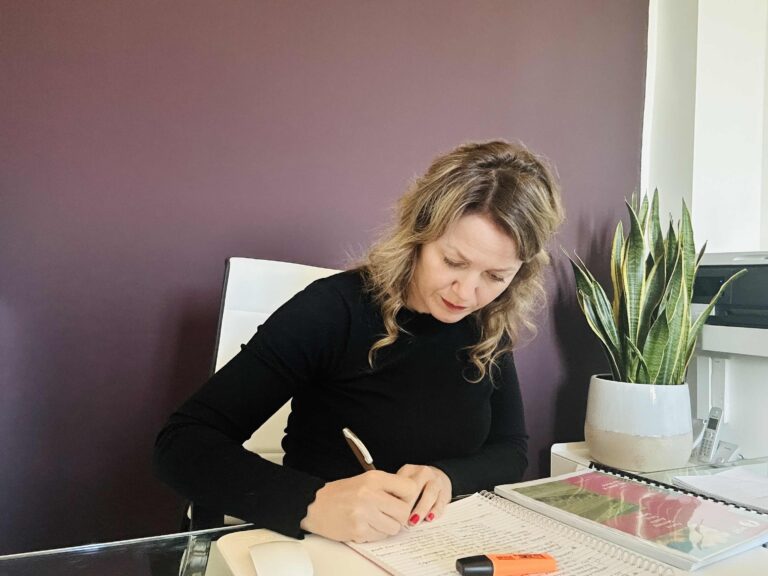
When I started my company on December 7, 2022, the day I turned 40, I knew I was choosing freedom. What I did not fully understand was that freedom and responsibility are inseparable. Every opportunity carries a risk. Every beautiful tasting carries logistics. Every smiling photo carries decisions made in silence.
And yet, I would not trade it.
Because behind the stress, behind the calculations, behind the uncertainty, there is something deeply alive. There is the look in a producer’s eyes when they see their wine appreciated in another country. There is the message from someone who joined a tasting and says, “I felt like I was in Tuscany for an evening.” There is the slow, steady growth of something that did not exist before.
The Toscana Wine Club, the retreats, the events abroad, none of them were born from certainty. They were born from small acts of courage repeated over and over again. From choosing to move forward even when the outcome was not guaranteed.
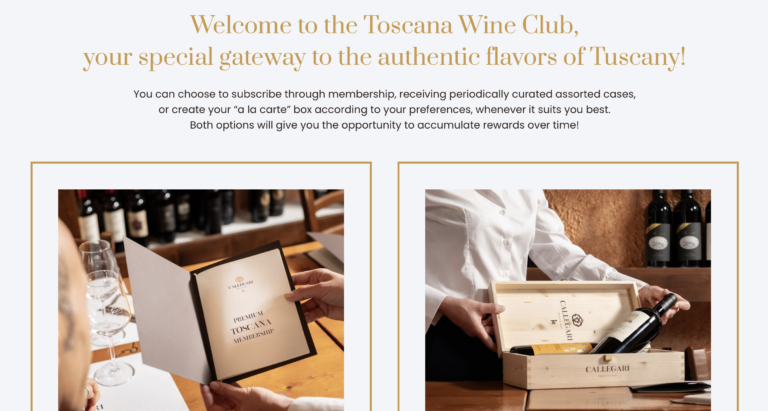
Maybe this is what wine has been teaching me all along. A vineyard is planted without knowing exactly what the season will bring. A harvest is faced without full control over the weather.
You prepare, you invest, you hope, and then you trust.
So today, I wanted to share this with you. Not the polished version, not the Instagram moment, but the part that happens behind the scenes. Because if there is one thing I am learning in this chapter of my life, it is that the invisible work is often the most meaningful one.
And next time you see a photo of a tasting, a fair, or a trip across the ocean, know that behind that glass of wine there are spreadsheets, courage, doubt, and a very stubborn belief in what I am building.
From Tuscany, with gratitude and a raised glass,
Claudia 🍷
Ready to toast?